Manufacturer
Battery ID
Specifications
Hazardous Substances
Extinguishing Agents
Chemical Composition
Information Regarding Prevention and Management of Waste Lithium-Ion Batteries
To help prevent battery waste and extend battery service life:
• Charge and use the battery only as described in this manual.
• Store the product in a cool, dry place away from direct sunlight, excessive heat, moisture and corrosive environments.
• Avoid dropping, crushing, puncturing, dismantling, modifying or exposing the battery to excessive mechanical shock.
• Do not expose the battery to fire or temperatures exceeding the specified operating or storage limits.
• Proper use, charging and storage will help maximise battery life and reduce waste.
Do not dispose of lithium-ion batteries with household waste.
• At the end of the battery’s service life, dispose of it through designated battery collection points or authorised recycling facilities in accordance with local regulations.
• Where available, use retailer, municipal or producer take-back schemes for waste batteries.
Waste lithium-ion batteries should be collected separately to enable preparation for re-use, repurposing where appropriate, recycling and material recovery.
• Separate collection helps conserve valuable raw materials and reduces environmental impacts.
• Collection and treatment services are available through authorised collection points and recycling facilities.
Handle waste batteries carefully to prevent short circuits, fire or leakage.
• Do not crush, puncture, dismantle, incinerate or expose waste batteries to excessive heat.
• If the battery is damaged, swollen, leaking or overheating, discontinue use immediately and dispose of it through an authorised collection facility.
• Where practical, cover exposed battery terminals with insulating tape before disposal.
• Store waste batteries in a cool, dry place away from metal objects and combustible materials until they are recycled.

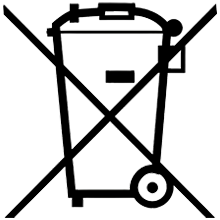
Lithium-ion batteries contain substances that may present risks to human health and the environment if improperly handled or disposed of.
• Never dispose of batteries in fire, household waste or the natural environment.
• Proper collection and recycling help prevent environmental pollution, reduce safety risks and enable the recovery of valuable materials for future use.
Declaration of Conformity
This product complies with the applicable European Union legislation. The Declaration of Conformity (DoC) can be viewed or downloaded below.